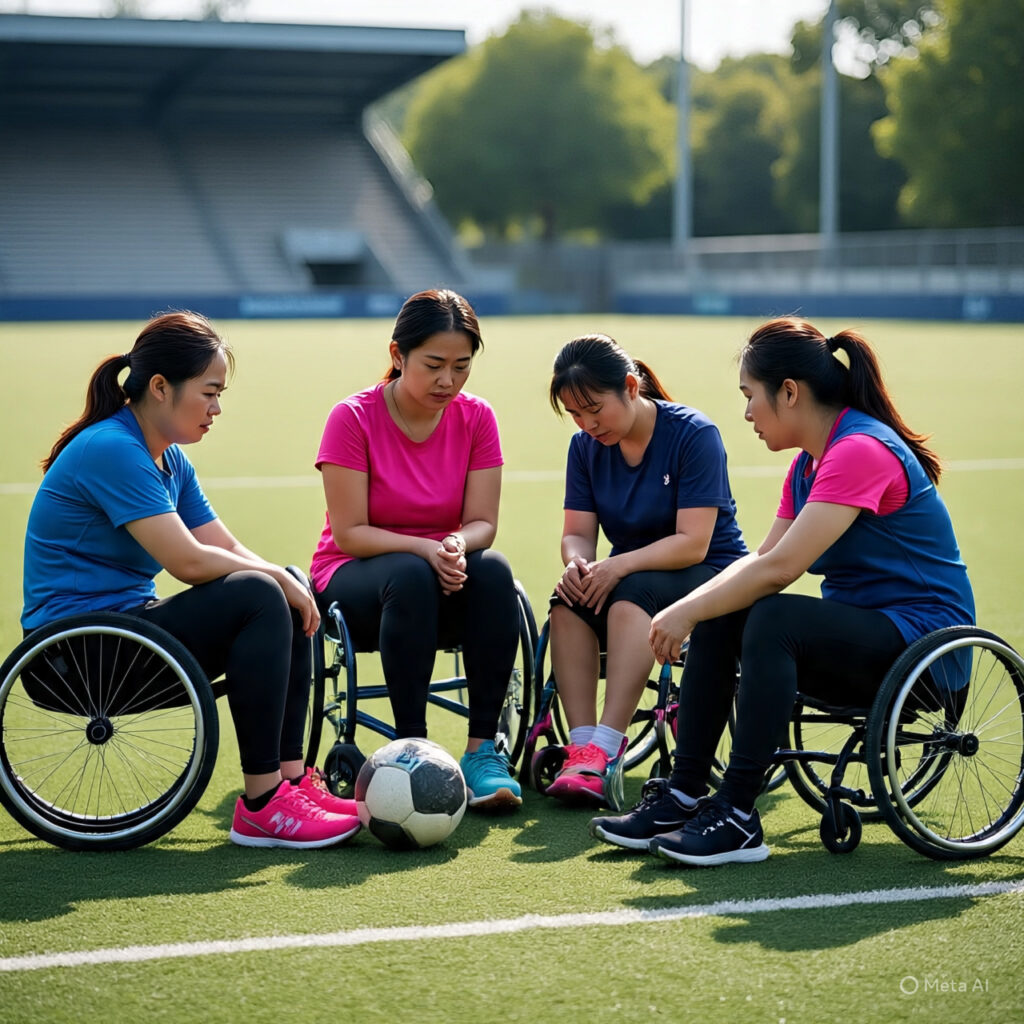
Persons with disabilities face a wide range of common barriers that can significantly impact their ability to participate fully in society. These barriers often overlap and create a cumulative effect.
Addressing these interconnected barriers requires a multi-faceted approach, including legislative
changes, universal design principles, technological advancements, education, and efforts to change
societal attitudes. Here's a breakdown of common barriers across different categories:
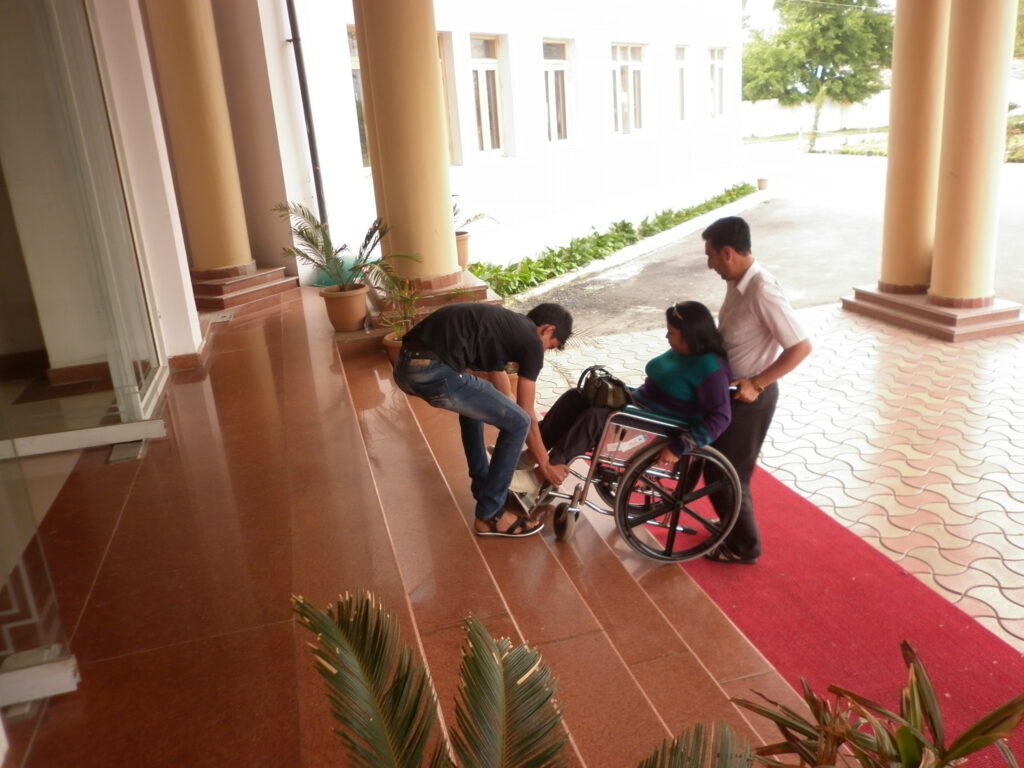
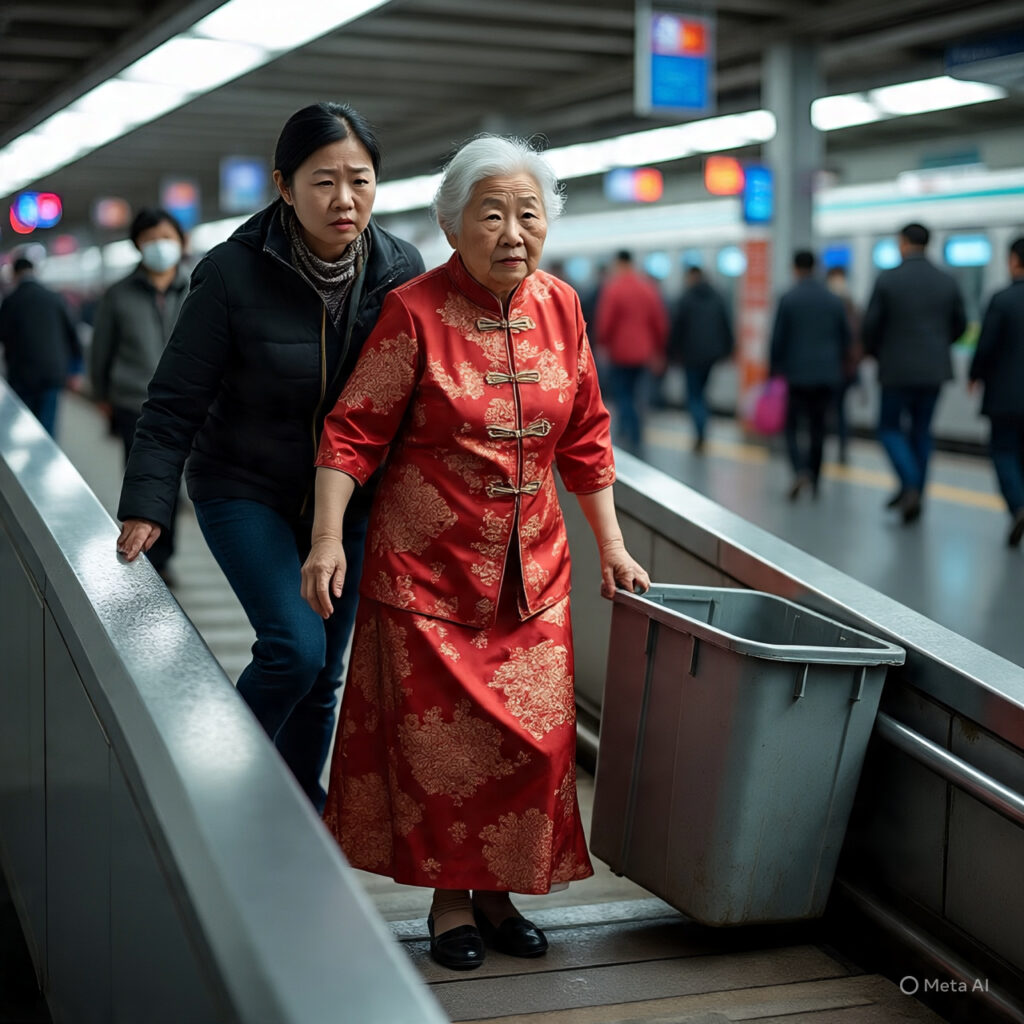
Inaccessible buildings: Steps, curbs, narrow doorways, lack of ramps or elevators, unaccommodating restrooms (e.g., no grab bars, insufficient space).
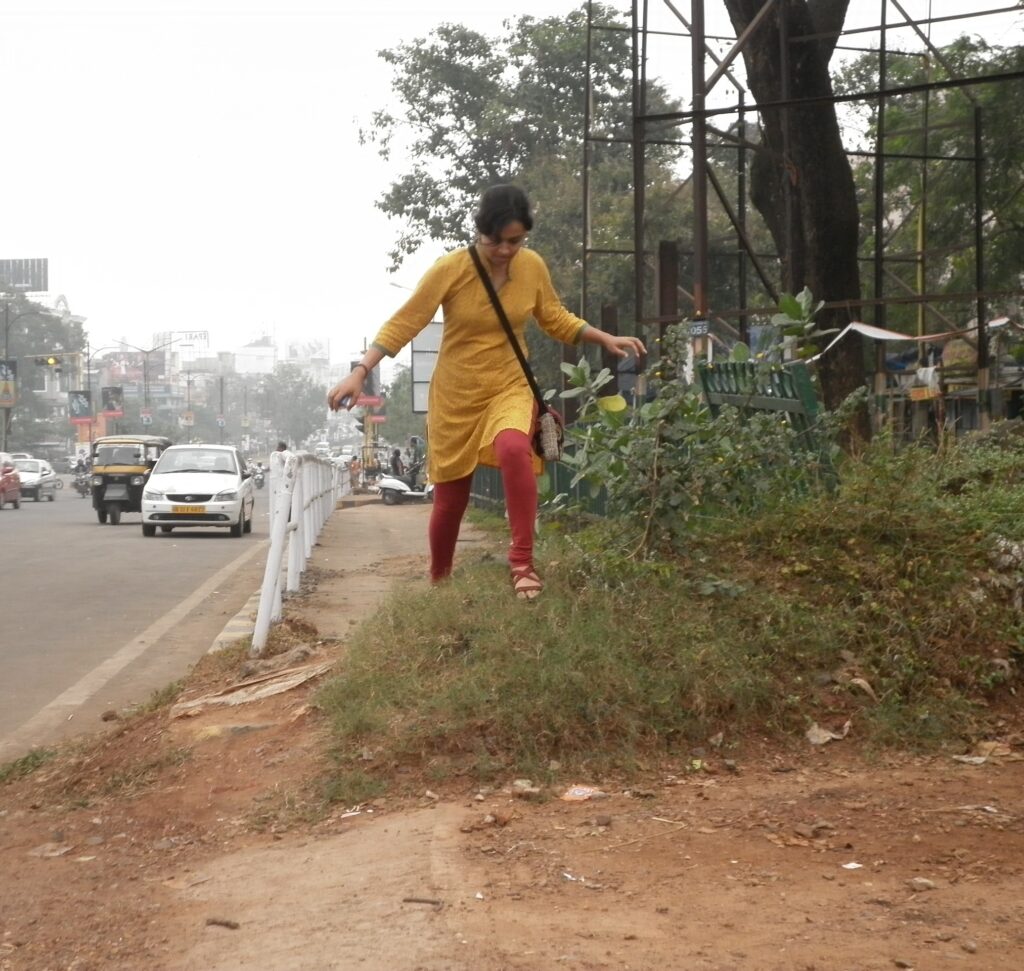
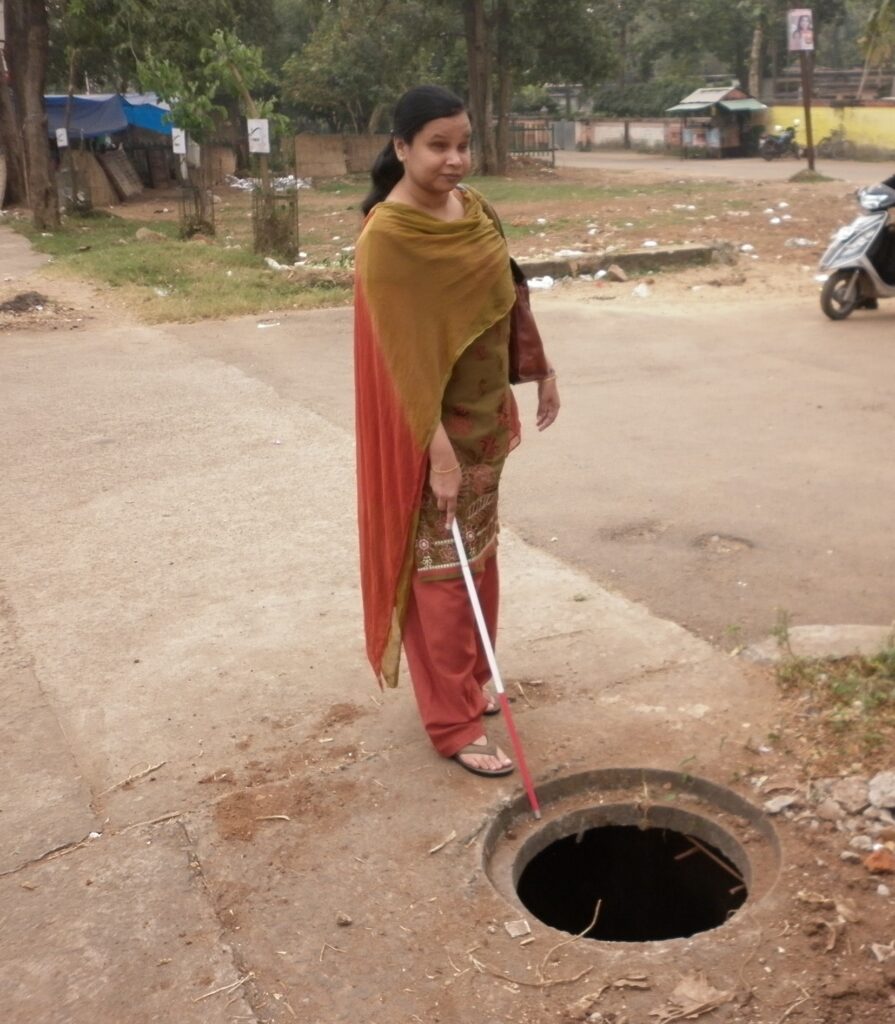
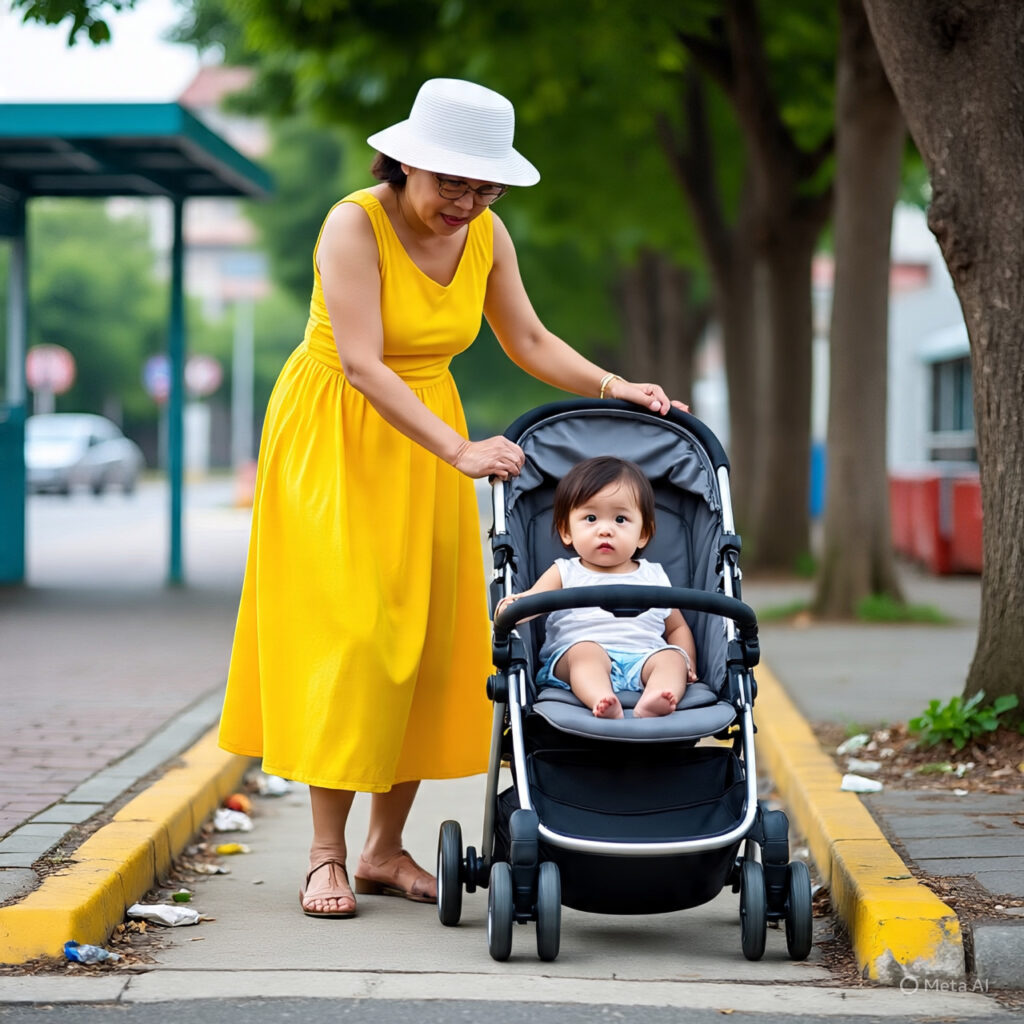
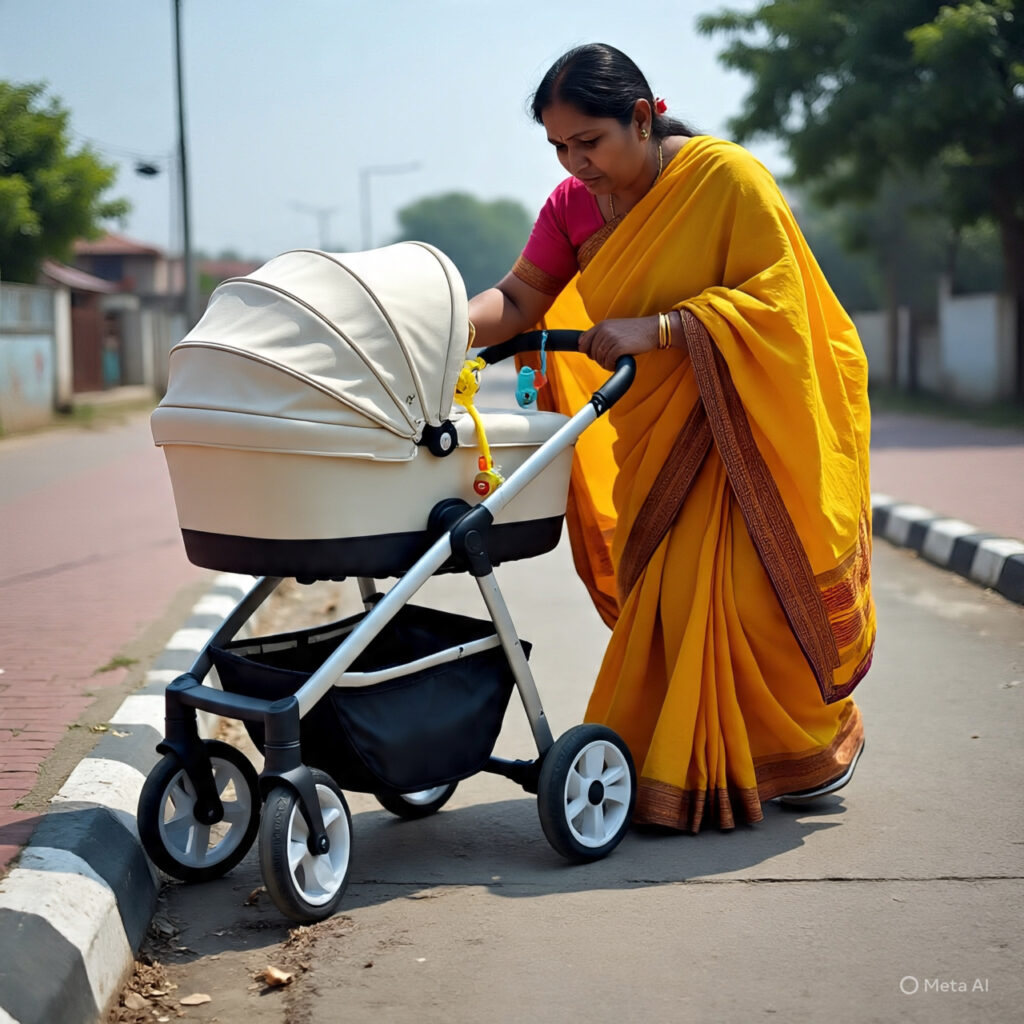
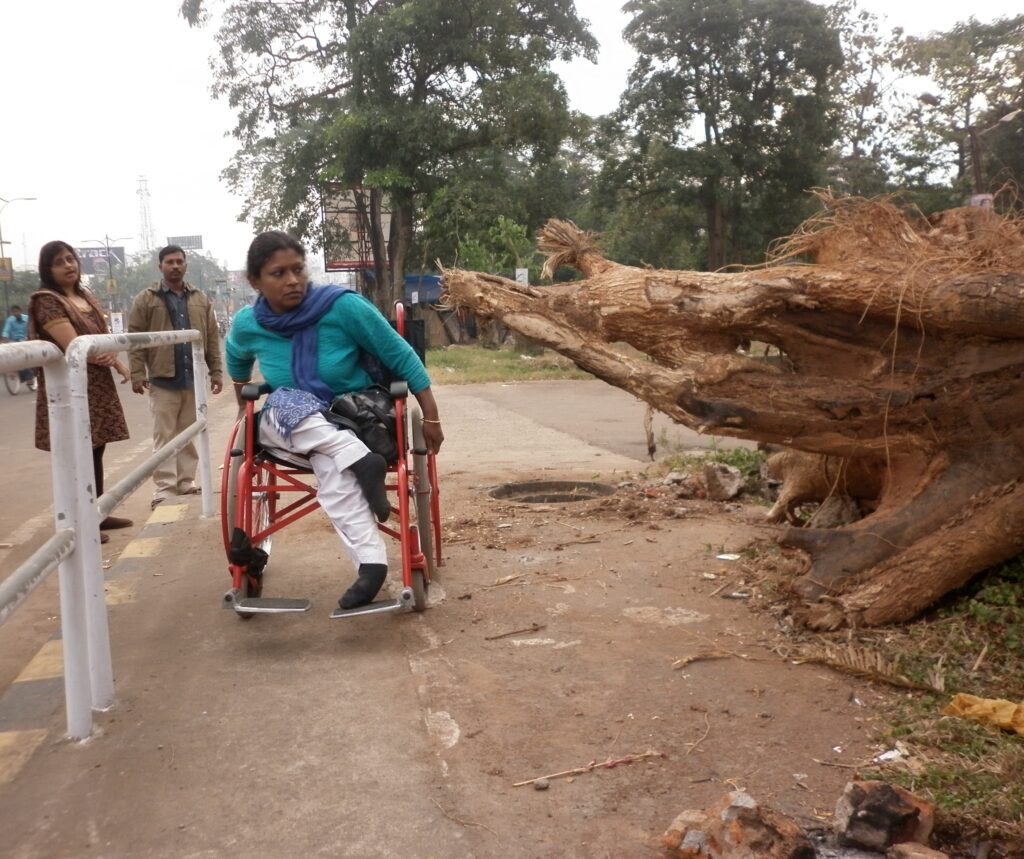
Public spaces: Uneven pavements, lack of curb cuts, obstacles on sidewalks, inaccessible public
facilities (e.g., drinking water unit, counters).
These relate to the inaccessibility of information and communication technologies (ICTs).
Videos and audio: Lack of closed captioning for hearing impaired, no audio descriptions for visually impaired.
Hardware and software: Lack of assistive technology, or technology that is not compatible with assistive devices.
Affordability and digital literacy: High cost of accessible technology and lack of training on how to use
it.
Websites and applications:
· Insufficient color contrast (difficult for people with color blindness or low vision).
· Poor or missing alt text for images (prevents screen readers from describing visual content).
· Incorrect use of headings (disorients screen reader users and keyboard navigators).
· Lack of keyboard accessibility (many people with disabilities cannot use a mouse).
· Inaccessible forms (missing or unclear labels, bad CAPTCHA implementations).
· Non-descriptive link text(e.g., "Click here" instead of "Download Annual Report")
· Embedded inaccessible documents (e.g., untagged PDFs that screen readers can't interpret).
· Auto-playing videos or excessive animations (distracting and disruptive for assistive technology).
These prevent people with disabilities from accessing and using various modes of transport.
Public transportation:
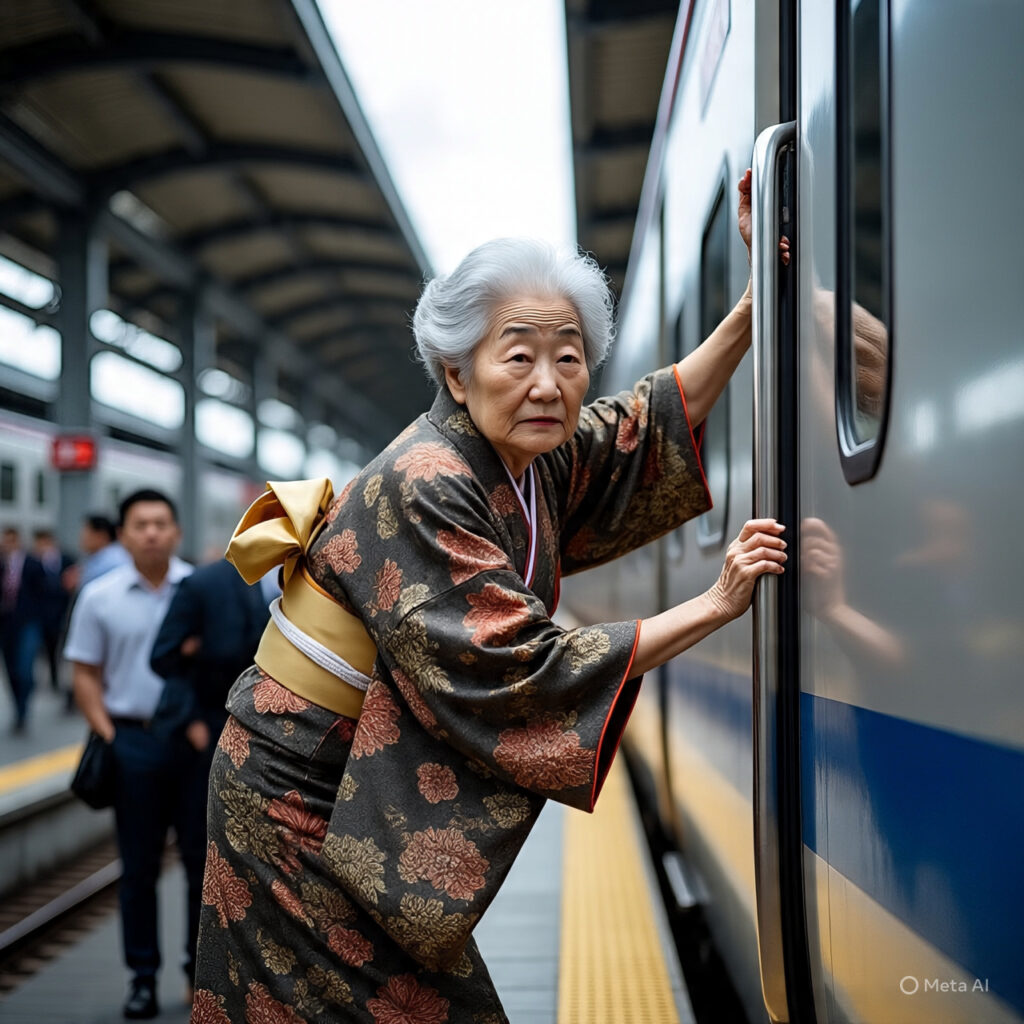
· Inoperable or absent lifts/ramps on buses and trains.
· Failure of drivers to stop for individuals with disabilities.
· Lack of level-entry boarding.
· Inaccessible stations and cars.
· Lack of timely and clear stop announcements (auditory and visual).
· Insufficient information at bus stops or stations.
· Long walking distances to stops/stations.
Paratransit services: Long hold times for booking, lack of communication accessibility for arranging trips, lack of door-to-door service when needed.
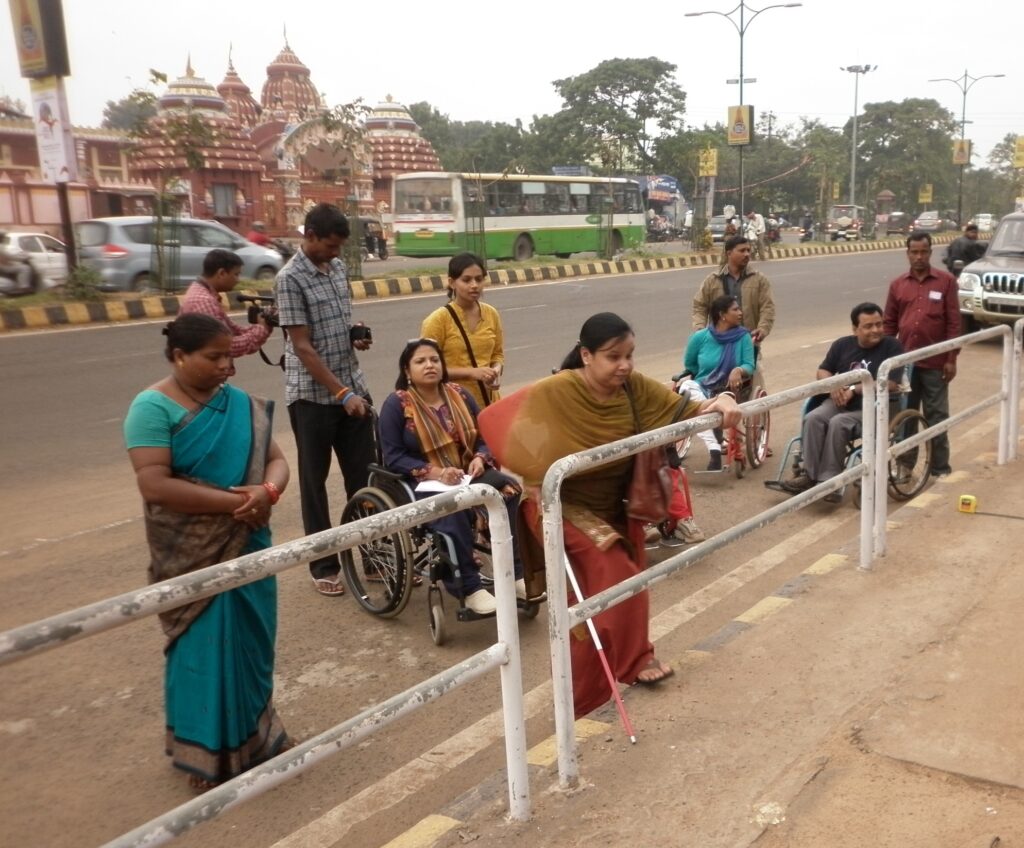
Infrastructure: Lack of accessible pedestrian crossings, narrow pathways, uneven surfaces, poor
design of kerb cuts.
These affect how people with disabilities receive and convey information.
For people with hearing impairments:
· Lack of sign language interpreters.
· No captioning or subtitles on videos/TV.
· Oral communications without accompanying manual interpretation.
· Background noise and distractions.
For people with vision impairments: * Small print or no large-print versions of materials. * No Braille or versions for screen readers. * Lack of auditory information (e.g., audio announcements in public
spaces). * Reliance on visual cues by communicators.
For people with cognitive/intellectual disabilities:
· Use of technical language, long sentences, complex vocabulary.
· Abstract concepts, acronyms, metaphors.
· Rapid speech.
· Questions phrased in a way that suggests a desired answer (leading to "yes-saying").
· Lack of visual aids or simplified information (e.g., Easy Read).
General communication barriers:
· People speaking to a companion rather than directly to the person with a disability.
· Assuming capabilities or preferences.
· Lack of patience or insufficient time for communication.
General communication barriers:
· People speaking to a companion rather than directly to the person with a disability.
· Assuming capabilities or preferences.
· Lack of patience or insufficient time for communication.
These relate to inadequate laws, regulations, and practices that hinder inclusion.
Lack of awareness or enforcement: Policies requiring accessibility are not implemented or followed.
Inconvenient scheduling: Programs or services offered at times that are inaccessible.
Insufficient time: Not enough time allocated for medical examinations or procedures.
Denial of services: Eligible individuals being denied access to programs or benefits.
Non-inclusive policies: Policies that only accept one mode of expression or access.
These relate to inadequate laws, regulations, and practices that hinder inclusion.
Equipment: Medical equipment that requires specific postures (e.g., mammography machines requiring
standing), lack of weight scales that accommodate wheelchairs.
Lack of accessible equipment/tools: In sport and physical activity, and generally in workplaces or
educational settings.