Sexual and reproductive health and rights (SRHR) are fundamental human rights, yet for many women with disabilities, they remain distant promises rather than lived realities. While every woman deserves access to quality, dignified healthcare, systemic inaccessibility continues to deny many women with disabilities the ability to exercise these rights fully.
Different Disabilities, Different Needs – One Broken System
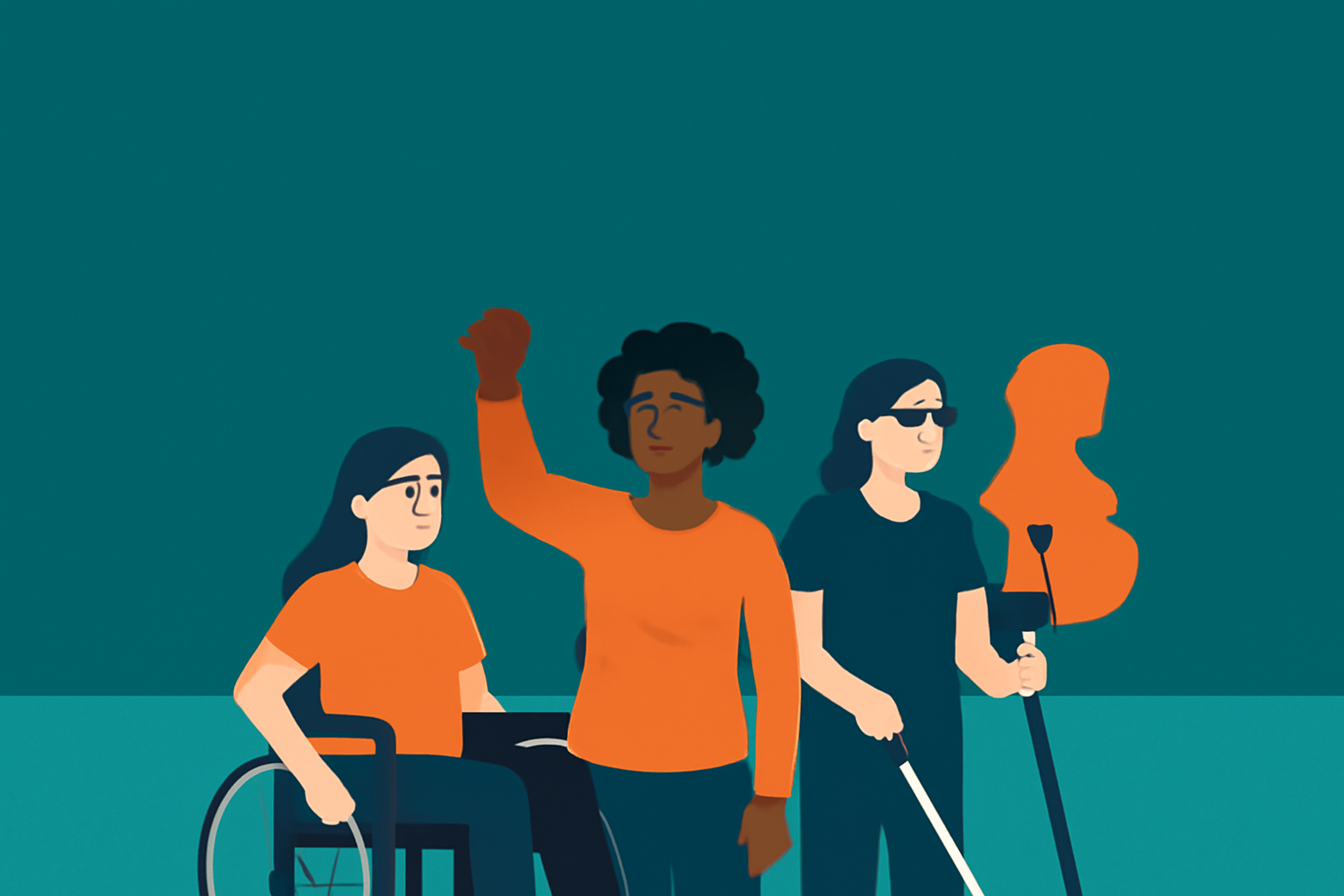
Women with disabilities are not a homogenous group. A woman with a visual impairment navigating a hospital faces very different challenges from a woman with cerebral palsy, a woman with a hearing impairment, or a woman with an intellectual disability.
- Physical disabilities may require accessible examination tables, ramps, and adapted medical equipment.
- Hearing impairments call for sign language interpreters or captioning services.
- Visual impairments require tactile signage, clear verbal communication, and accessible written materials.
- Neurodiverse or intellectual disabilities require simplified communication, patience, and supportive decision-making frameworks.
Unfortunately, most healthcare establishments in India (and globally) operate on a “one-size-fits-all” model that ignores these diverse needs.
The Barriers are Everywhere
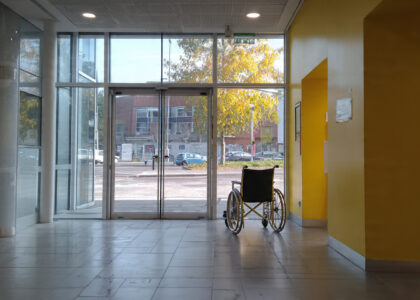
- Physical inaccessibility – Clinics without ramps, narrow doorways, inaccessible toilets, or examination tables that cannot be lowered.
- Communication gaps – No sign language interpreters, no Braille or audio health information, and overuse of medical jargon.
- Provider attitudes – Prejudiced views doubting women with disabilities’ sexuality, consent, or parenting ability.
- Policy blind spots – SRHR policies rarely integrate disability-inclusive measures.
- Economic and transport barriers – Extra costs for caregivers, inaccessible public transport, and distant specialist facilities.
Impact: Rights Denied, Health Compromised
The result is a dangerous cycle:
- Delayed care for gynaecological issues, contraception, safe pregnancy, and STI screening.
- Increased vulnerability to sexual violence, unintended pregnancies, and preventable health complications.
- Erosion of dignity and autonomy when healthcare is delivered without privacy or consent.
This isn’t just an access issue — it’s a human rights issue, a gender equality issue, and a public health imperative.
Global Commitments: What the World Promised
Governments, including India, have already committed to ensuring SRHR for women with disabilities through multiple international agreements:
- UN Convention on the Rights of Persons with Disabilities (CRPD) – Article 25 guarantees persons with disabilities the right to the highest attainable standard of health without discrimination, and Article 23 protects their rights to family planning and parenthood.
- Convention on the Elimination of All Forms of Discrimination Against Women (CEDAW) – Requires states to ensure equal access to healthcare, including family planning services, for all women.
- Sustainable Development Goals (SDGs) –
- SDG 3: Ensure healthy lives and promote well-being for all at all ages, with a focus on universal health coverage and access to quality essential healthcare services.
- SDG 5: Achieve gender equality and empower all women and girls, explicitly recognising the need for universal access to SRHR.
- SDG 10: Reduce inequalities within and among countries, ensuring inclusion for persons with disabilities.
- SDG 16: Promote inclusive societies with access to justice and strong institutions, vital for protecting disability rights in healthcare.
Healthcare Must Change – Now
Change begins with recognising that accessibility is not charity, it is a legal and moral obligation.
Solutions include:
- Universal design in all healthcare facilities and equipment.
- Mandatory disability and SRHR training for healthcare providers.
- Integration of disability-specific protocols in national health and SRHR policies.
- Partnership with women-led disability rights organisations for co-creation of solutions.
- Budget allocations specifically for making SRHR services accessible.
A Call to Action
Every barrier a woman with a disability faces in accessing SRHR services is a reminder that we are not yet a society of equals. Accessibility must be embedded into the healthcare system from the start; not patched in as an afterthought.
The commitments in the CRPD, CEDAW, and SDGs are not symbolic; they are binding frameworks. Governments must act decisively to bridge the gap between promise and practice.
The question is not whether we can make healthcare inclusive — we can. The question is whether we value the dignity, autonomy, and health of women with disabilities enough to make it happen.
It’s time to listen, act, and ensure that their rights are not only written in law but lived in reality.
Contributed by
Dr Abha Khetarpal