Have you encountered physical and attitudinal barriers while accessing health care services?
Women with disabilities have less access to regular screenings and doctors’ visits and therefore are at a higher risk for many diseases such as late-stage cancer diagnoses / HIV Aids/etc.
Also, many of us have encountered barriers………….
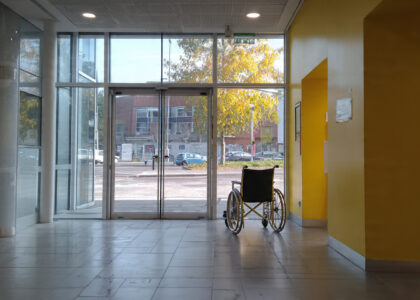
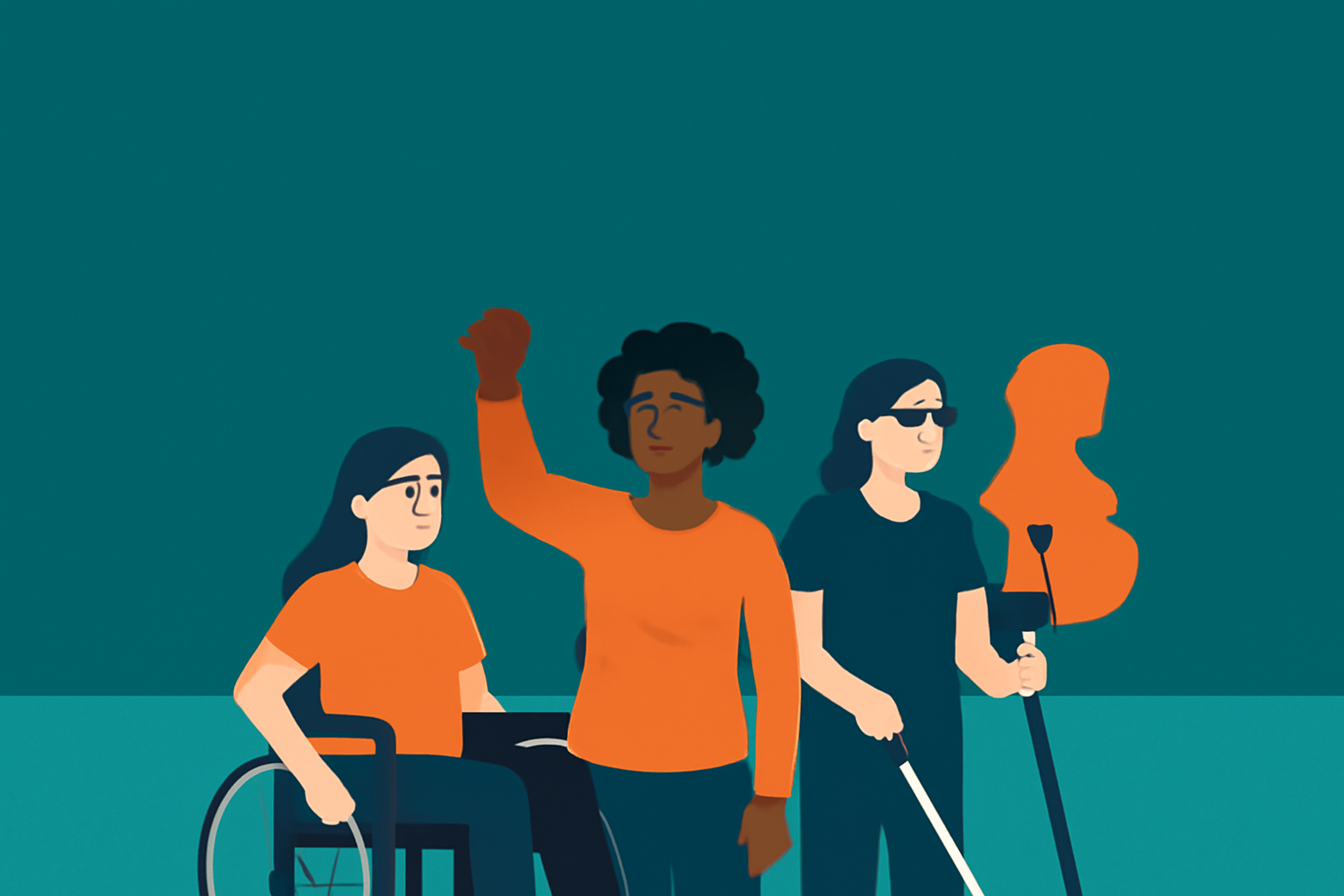
How do you find your way to reception if you are with visual impairment? How would you get a mammogram if you were in a wheelchair and couldn’t stand? And how would you communicate with your doctor if you couldn’t hear her speak?
Biggest barriers to individuals with disabilities
These barriers start with inaccessible dispensaries, clinics and doctors’ offices and continue into medical equipment and—worst of all—attitudes. Once the women get in to see a doctor, many find their health care providers want to attribute all their problems to their disability.
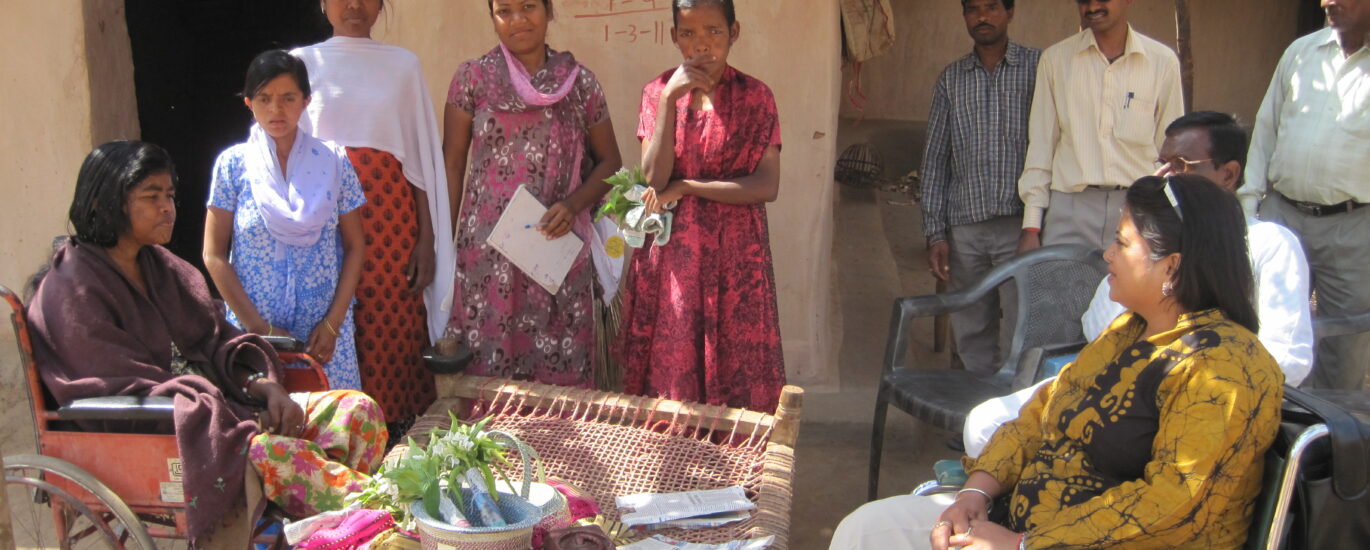
Anjlee Agarwal has progressive muscular dystrophy and faced several challenges in clinics and hospitals.
– a steep slope instead of ramps
– no accessible toilets
– reception and medicine counters are so high you cannot see the person on the other side
– notice and information boards are on glass panels and are impossible to read
Abha Khetrapal with lost polio syndrome says “there are no suitably adapted tables for gynaecological examinations”.
List is endless!
Aside from the structural and attitudinal challenges, women with disabilities face a higher risk for violence and other discriminatory behaviors, the trauma from which can make simple medical procedures (like that mammogram/) more distressing, particularly when communication is a challenge.
Then what do you do?
So how can we make our health care more inclusive?
Spread awareness and SPEAK OUT. Do your bit by informing the management/ authorities about your difficulties. Women with disabilities have to become SELF-ADVOCATES. But many a time women with disabilities do not inform that ‘they are disabled and will not ask for assistance if something complicated happen.”
It is essential that the medical practitioners and support staff should be trained to understand and deal with disability specific requirements of women with disabilities.
“Women with disabilities are a heterogeneous group and are found in every community and all they need is support to represent themselves”.
Author:
Dr. Anjlee Agarwal
A catalyst to transform lives through inclusive environments
Spearheading Universal Accessibility, Inclusive Mobility Solutions
Disability-Inclusive Climate Action
www.anjleeagarwal.co.in